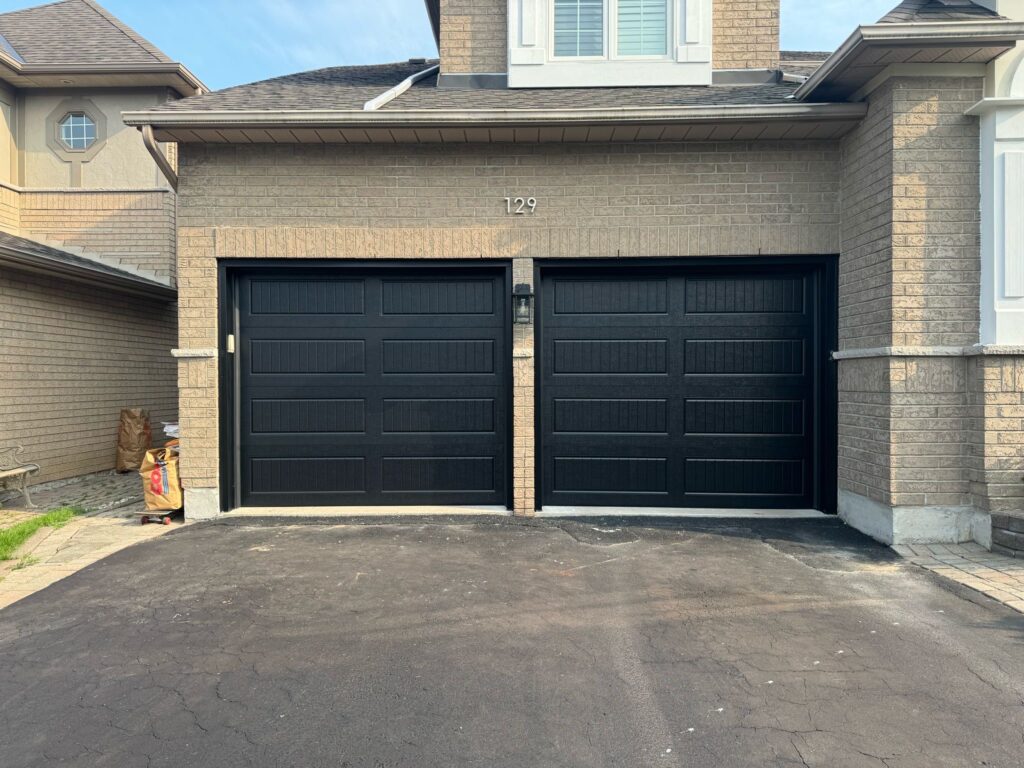
Eco-Friendly Wood Garage Doors
Wood garage doors offer natural insulation and energy efficiency while being a sustainable choice. By selecting wood, you’re supporting eco-friendly practices that help preserve the environment.
Energy Efficiency
Wood doors naturally regulate temperature, reducing energy needs for heating and cooling. When properly insulated, they provide excellent thermal performance, minimizing energy consumption and maintaining a comfortable environment year-round.
Sustainability
Wood is a renewable, biodegradable material. Choosing sustainably sourced or reclaimed wood reduces deforestation and supports responsible forestry. Wood doors are also recyclable, contributing to a greener future.
Durability and Low Maintenance
Wood doors are durable and, with regular maintenance, can last for decades. They require fewer replacements, reducing waste over time. Eco-friendly finishes and treatments further minimize environmental impact.
Energy Savings
Insulated wood doors help maintain a stable temperature inside the garage, improving energy efficiency by keeping the space cooler in summer and warmer in winter.
Energy Efficiency
Insulation
- Steel: Modern steel garage doors often come with an insulated core, typically made of polystyrene or polyurethane foam. This layer of insulation helps prevent heat from entering or escaping the garage, improving temperature regulation. This results in reduced energy needs for heating or cooling, especially in attached garages or homes in extreme weather conditions.
- Fiberglass: Fiberglass itself has good insulating properties. Many fiberglass doors also come with added insulation, making them highly effective at minimizing heat transfer. Insulated fiberglass doors are especially effective in maintaining a more stable internal temperature, reducing the need for extra energy use.
- Wood: Traditional wood garage doors generally have lower insulating capabilities unless specifically modified. However, wood can provide some natural insulation due to its density. Some wood doors may include insulation layers between wood panels to improve thermal performance, though overall, they are typically less efficient than steel or fiberglass in extreme climates.
Thermal Efficiency
Both steel and fiberglass doors help in keeping the temperature inside the garage more consistent, meaning the heating and cooling systems of your home don’t need to work as hard. This can reduce the overall energy consumption for the house, especially when the garage is attached and connected to the home’s HVAC system.- Wood: Wooden garage doors may not offer the same level of thermal efficiency unless enhanced with insulation. Their effectiveness depends heavily on construction and whether additional thermal barriers are included. Without these, wood doors can allow more heat transfer, potentially increasing energy usage.
Reduced Air Leaks
Steel and fiberglass doors often come with tight seals and weatherstripping, reducing drafts and preventing energy loss through gaps around the door. This tight seal is particularly important for maintaining a consistent indoor temperature and for increasing the overall energy efficiency of your garage and home.- Wood: Wood doors can also be fitted with weatherstripping, but due to their natural expansion and contraction with temperature and humidity changes, they may develop gaps over time. This can reduce their effectiveness in preventing air leaks unless regularly maintained.
Energy Savings
Insulated garage doors, whether steel or fiberglass, keep the garage cooler in the summer and warmer in the winter, making your home more energy-efficient. In cold climates, insulated doors help retain heat inside the garage, reducing heating costs. In warmer climates, they help keep heat out, reducing the load on air conditioning systems.- Wood: Energy savings with wood doors depend largely on the presence of insulation and proper sealing. Without added insulation, wood doors may result in higher heating and cooling demands, particularly in extreme climates.
Environmental Friendliness
Recyclability
Long Lifespan and Durability
- Steel: Steel garage doors are extremely durable, resisting rust, warping, and cracking. This means they don’t need to be replaced frequently, which results in less waste over time. Their long lifespan contributes to sustainability by reducing the need for new materials and production processes.
- Fiberglass: Fiberglass is resistant to many of the issues that cause other materials (like wood) to degrade, such as corrosion, warping, or rotting. This durability means fiberglass doors need less frequent repair or replacement, contributing to a longer lifespan and less waste.
- Wood: While wood can last for decades if properly maintained, it is more susceptible to rot, warping, insect damage, and weathering. This can result in higher long-term maintenance or replacement rates compared to steel or fiberglass, especially in harsh climates.
Low Maintenance
- Steel and Fiberglass: Both materials require minimal maintenance compared to wood. Wood doors often need to be repainted, resealed, or replaced due to rotting or warping. Steel and fiberglass, however, typically don’t require the same level of maintenance, reducing the need for chemical-based products like paint or preservatives. This means fewer chemicals are used, and the environmental impact is reduced.
- Wood: Wooden garage doors require regular upkeep to maintain their appearance and structural integrity. This includes sealing, staining, or painting to prevent water damage and decay. The maintenance process often involves the use of chemical products, which can have a higher environmental impact over time.
Energy Use During Manufacturing
-
Steel and Fiberglass: While the manufacturing process for steel and fiberglass does have environmental impacts, they tend to be more energy-efficient to produce compared to materials like wood. For example, producing steel from recycled materials uses far less energy than using raw materials. In the case of fiberglass, more eco-friendly production methods are being used by many manufacturers to reduce the environmental impact of the material’s creation.
- Wood : Processing natural wood into garage doors typically requires less energy than manufacturing steel or fiberglass. However, the environmental cost is higher if the wood is not sustainably sourced, as deforestation can lead to ecosystem degradation and carbon emissions.
Wood Preservation
By choosing steel or fiberglass doors instead of wooden ones, you’re helping to reduce the demand for wood, which in turn helps protect forests and the ecosystems that rely on them. Deforestation for wood products contributes to habitat destruction, biodiversity loss, and increased carbon emissions.- Wood: When opting for wood doors, it’s important to choose certified sustainable wood (e.g., FSC-certified) to ensure responsible forestry practices. Reclaimed wood is another eco-friendly alternative that minimizes environmental impact by repurposing existing materials rather than using newly harvested timber.